AI STUDY METHOD PRESENTS
REVISION ARCADE
EVERY SUBJECT · EVERY LEVEL · 22 GAMES · COLLECT COINS
▶ ENTER FREE →
◆ INSERT COIN ◆
GCSE Biology Revision

Homeostasis & Response

Keeping internal conditions stable — the nervous system, hormones, reflexes and negative feedback.

Quick check · one tap
What does negative feedback do in homeostasis?

Homeostasis & Response is a core part of GCSE Biology. Revise the key concepts and common mistakes below, then lock them in with the free games.

Key concepts

HomeostasisKeeping internal conditions stable despite outside changes
ReceptorCell that detects a stimulus like light or heat
EffectorMuscle or gland that carries out the response
NeuroneNerve cell that sends fast electrical signals
SynapseTiny gap between neurones bridged by chemicals
Reflex arcFast, automatic pathway that does not involve the conscious part of the brain.
Reaction timeTime between a stimulus and your response
Sensory neuroneCarries signals from receptors to the CNS
Relay neuroneConnects sensory and motor neurones in the CNS
Motor neuroneCarries signals from the CNS to an effector
NeurotransmitterChemical that carries a signal across a synapse
Ruler drop testMeasures reaction time using how far a ruler falls
AccommodationHow the eye changes lens shape to focus near or far
Ciliary muscleRing of muscle that changes lens shape

What your exam board covers

Where Homeostasis & Response sits in each exam board's specification. Tap a board to see what it lists.

AQAHomeostasis and responseSpec 8461
  • Homeostasis
  • The human nervous system
  • Hormonal coordination
  • Plant hormones (biology only)

Source: AQA GCSE Biology (8461) specification — Subject content, accessed 23 June 2026.

Learn Homeostasis & Response step by step

Free interactive mini-lessons: short screens, worked examples and quick checks. Pick your exam board:

Common mistakes to avoid

Questions where students often pick the tempting wrong answer — make sure you know the right one:

What does negative feedback do in homeostasis?✗ Negative feedback makes a process get worse or amplifies the change.   ✓ It reverses a change in a controlled variable, bringing it back towards the set point.
Why is a reflex action faster than a conscious response?✗ The brain decides reflexes faster than other actions because it skips thinking.   ✓ The signal does not need to be processed by the brain — it travels through a simpler reflex arc via the spinal cord.
Does negative feedback make a change worse?✗ Negative feedback amplifies the original change.   ✓ No — negative feedback opposes and reverses a change, returning the condition to its set point.
How are signals transmitted across a synapse between two neurones?✗ The electrical signal jumps directly from one neurone to the next across the synaptic gap.   ✓ Via neurotransmitter chemicals released from the presynaptic neurone, which bind receptors on the postsynaptic neurone.
In the ruler drop test, what does a SHORTER catch distance mean?✗ Slower reaction time   ✓ Faster reaction time

Practise Homeostasis & Response — free games

Test yourself with these quick revision games for this topic:
See all 22 games in the Revision Arcade →

More GCSE Biology topics

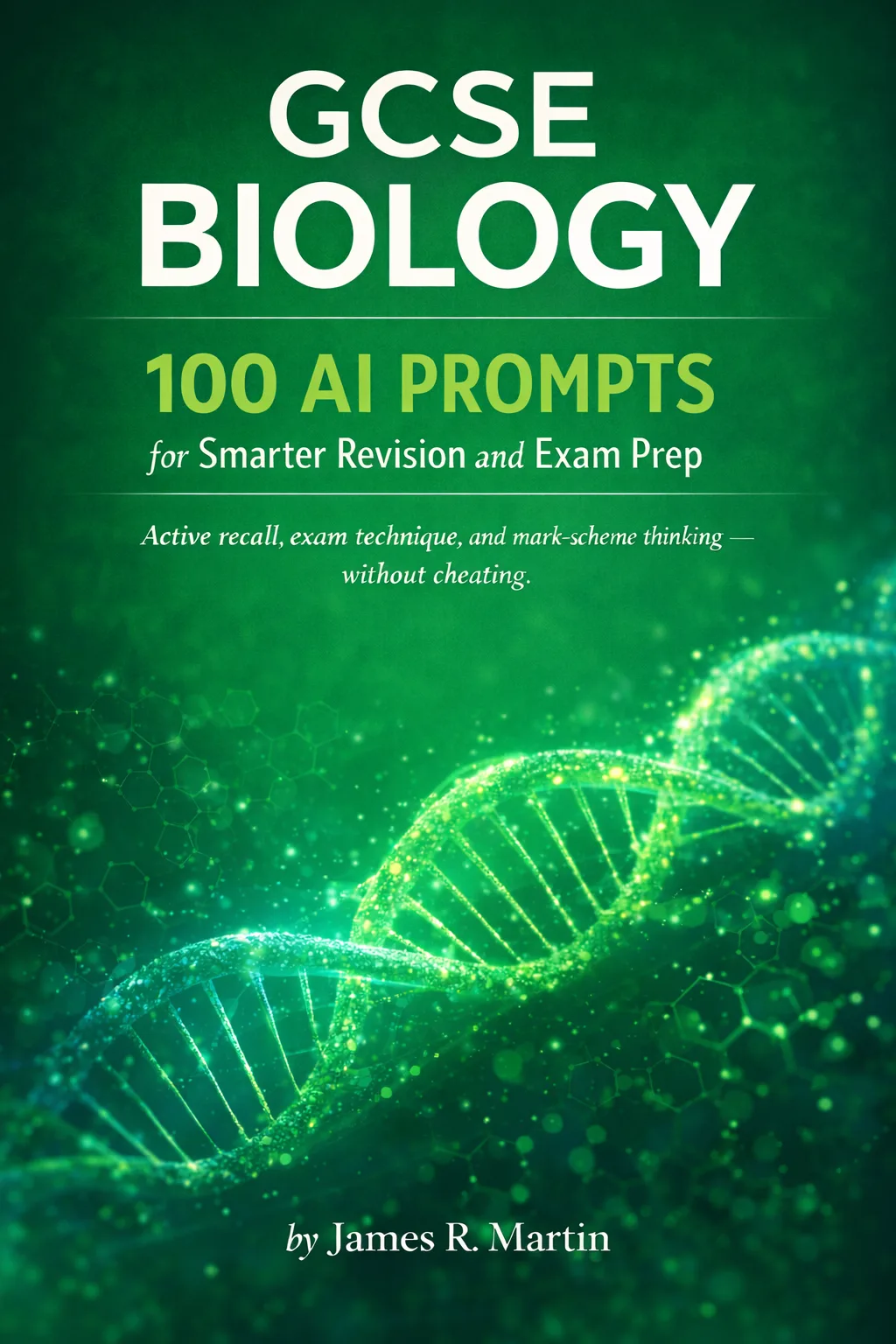
Cover of 100 AI Prompts for GCSE Biology
Free · PDF
100 AI Prompts for GCSE Biology

Print-and-paste prompts built around the Velvet Method, so ChatGPT tests your thinking instead of doing it for you.

Download free PDF →All 91 free prompt books

← All revision guides

Want to revise every topic this smart?

The Velvet Method shows you how to use AI to revise any subject, in six steps.

See the Velvet Method →