AI STUDY METHOD PRESENTS
REVISION ARCADE
EVERY SUBJECT · EVERY LEVEL · 22 GAMES · COLLECT COINS
▶ ENTER FREE →
◆ INSERT COIN ◆
GCSE Biology Revision

Bioenergetics

Photosynthesis and respiration — how organisms capture, store and release energy, plus limiting factors and gas exchange.

Quick check · one tap
Where do plants get most of their biomass from?

Bioenergetics is a core part of GCSE Biology. Revise the key concepts and common mistakes below, then lock them in with the free games.

Key concepts

PhotosynthesisPlants make glucose from CO₂ + water using light
ChloroplastPlant cell part where photosynthesis happens
Aerobic respirationReleases energy using oxygen, in mitochondria
Anaerobic respirationReleases energy without oxygen, less energy
Lactic acidAnimal anaerobic product, builds up in muscles
FermentationYeast anaerobic: makes ethanol + CO₂
StarchPlant glucose store — insoluble, won't change water balance
CellulosePolymer of glucose that strengthens plant cell walls
Oxygen debtExtra oxygen needed after exercise to clear lactic acid
EPOCExcess Post-exercise Oxygen Consumption — heavy breathing
ATPMolecule that delivers usable energy to cells
LiverOrgan that converts lactic acid back to glucose
Limiting factorThe factor that stops the rate going faster
Light intensityAmount of light energy hitting an area

What your exam board covers

Where Bioenergetics sits in each exam board's specification. Tap a board to see what it lists.

AQABioenergeticsSpec 8461
  • Photosynthesis
  • Respiration

Source: AQA GCSE Biology (8461) specification — Subject content, accessed 23 June 2026.

Learn Bioenergetics step by step

Free interactive mini-lessons: short screens, worked examples and quick checks. Pick your exam board:

Common mistakes to avoid

Questions where students often pick the tempting wrong answer — make sure you know the right one:

Where do plants get most of their biomass from?✗ Plants get most of their mass from the soil through their roots.   ✓ From carbon dioxide in the air — the carbon in plant tissue comes mostly from CO2 fixed during photosynthesis.
What is produced in anaerobic respiration in human muscle cells?✗ Anaerobic respiration produces ethanol and CO2 in humans.   ✓ Lactic acid (lactate) and a small amount of ATP — no CO2 or water in this pathway.
Do plants only respire at night?✗ Plants only respire at night and only photosynthesise during the day.   ✓ No — plants respire all the time, day and night. In daylight they also photosynthesise, often faster than they respire.
What does yeast produce by anaerobic respiration?✗ Lactic acid only   ✓ Ethanol + carbon dioxide

Practise Bioenergetics — free games

Test yourself with these quick revision games for this topic:
See all 22 games in the Revision Arcade →

More GCSE Biology topics

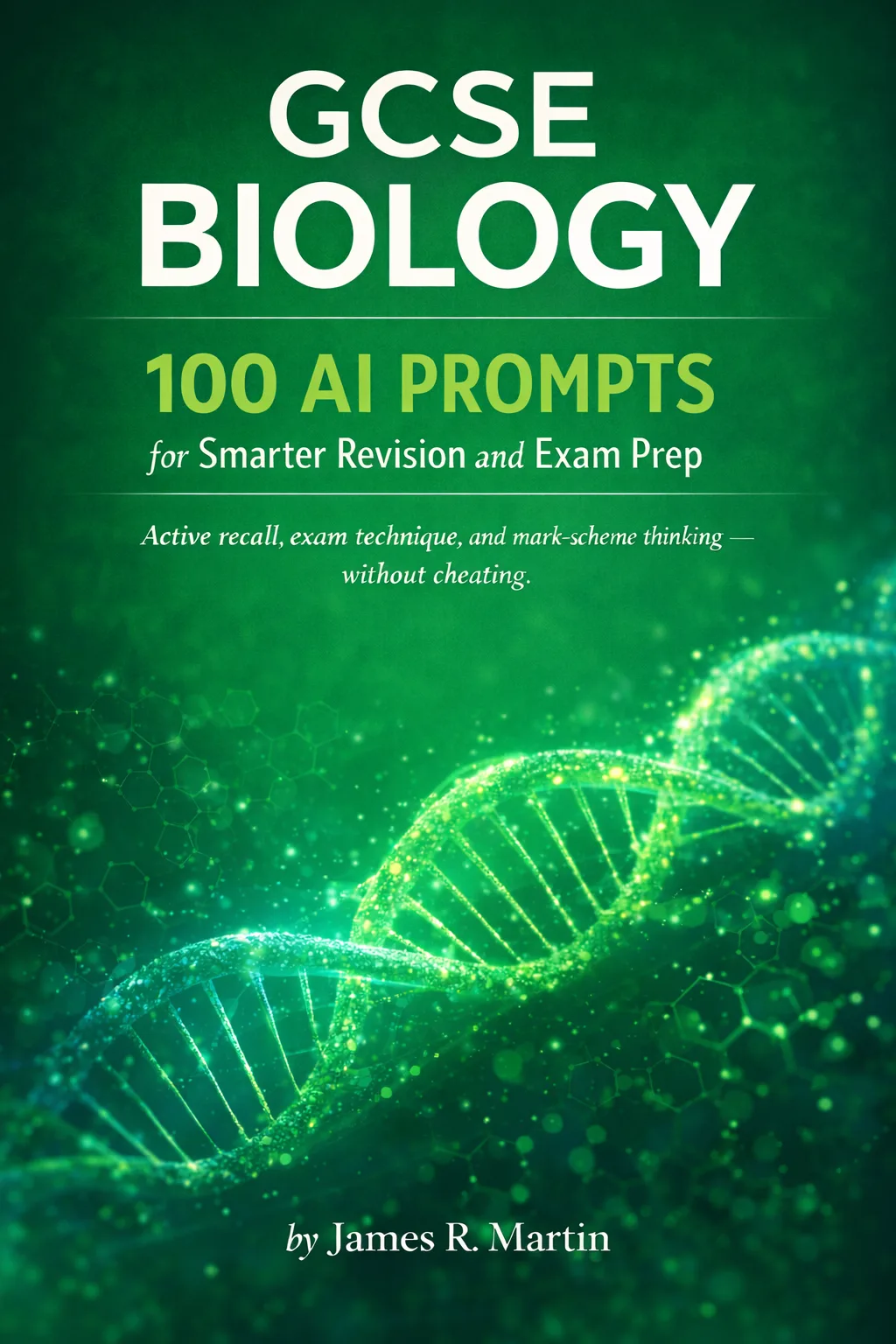
Cover of 100 AI Prompts for GCSE Biology
Free · PDF
100 AI Prompts for GCSE Biology

Print-and-paste prompts built around the Velvet Method, so ChatGPT tests your thinking instead of doing it for you.

Download free PDF →All 91 free prompt books

← All revision guides

Want to revise every topic this smart?

The Velvet Method shows you how to use AI to revise any subject, in six steps.

See the Velvet Method →